
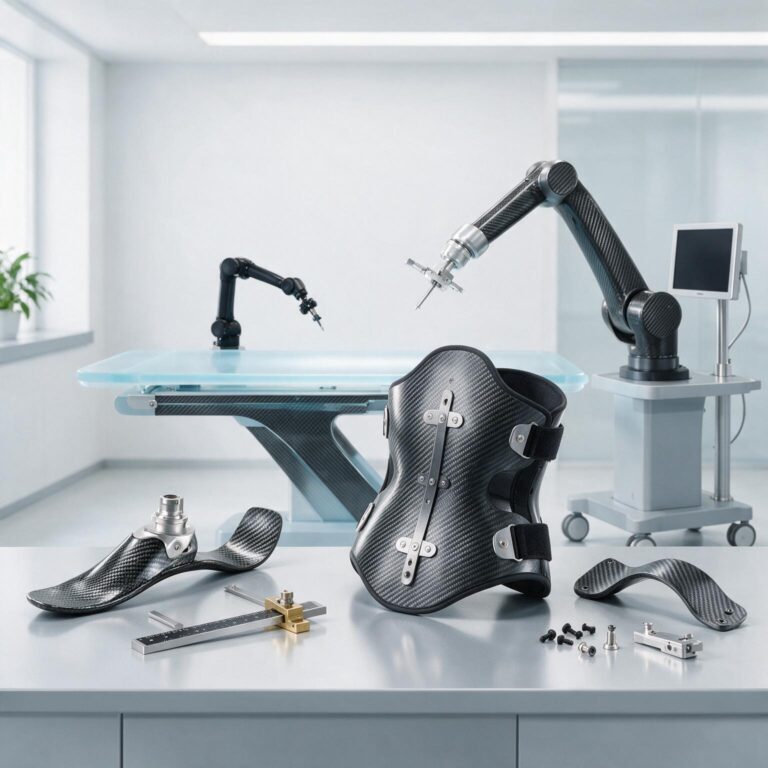
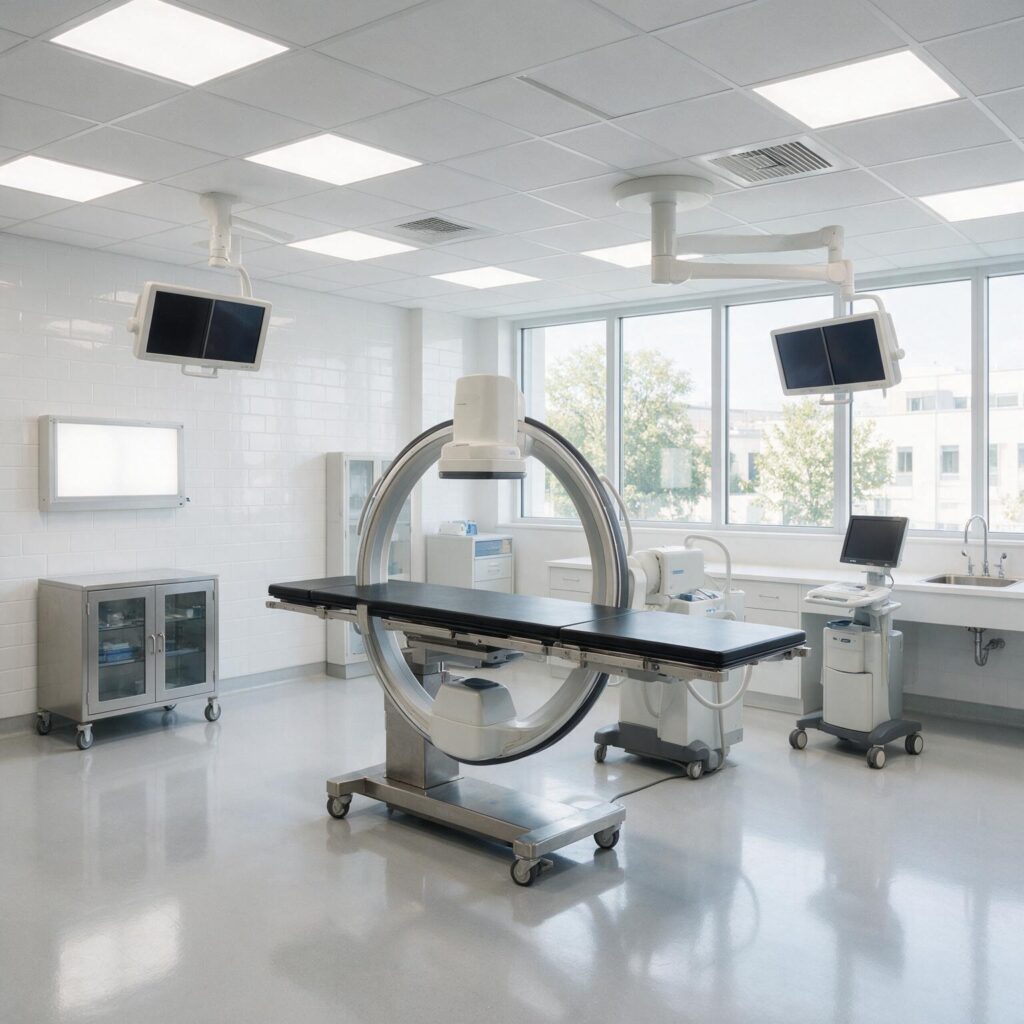
This is the property that defines CFRP's role in imaging-related medical equipment. Carbon fiber does not absorb X-rays the way metals do. A patient positioned on a carbon fiber imaging table produces a clean radiological image without the artefacts and occlusions that a metal-frame table would introduce. The same principle applies to surgical positioning systems, C-arm tables, biopsy frames, and radiation therapy equipment. Where the device needs to be structurally present but radiologically absent, carbon fiber is often the only material that works.
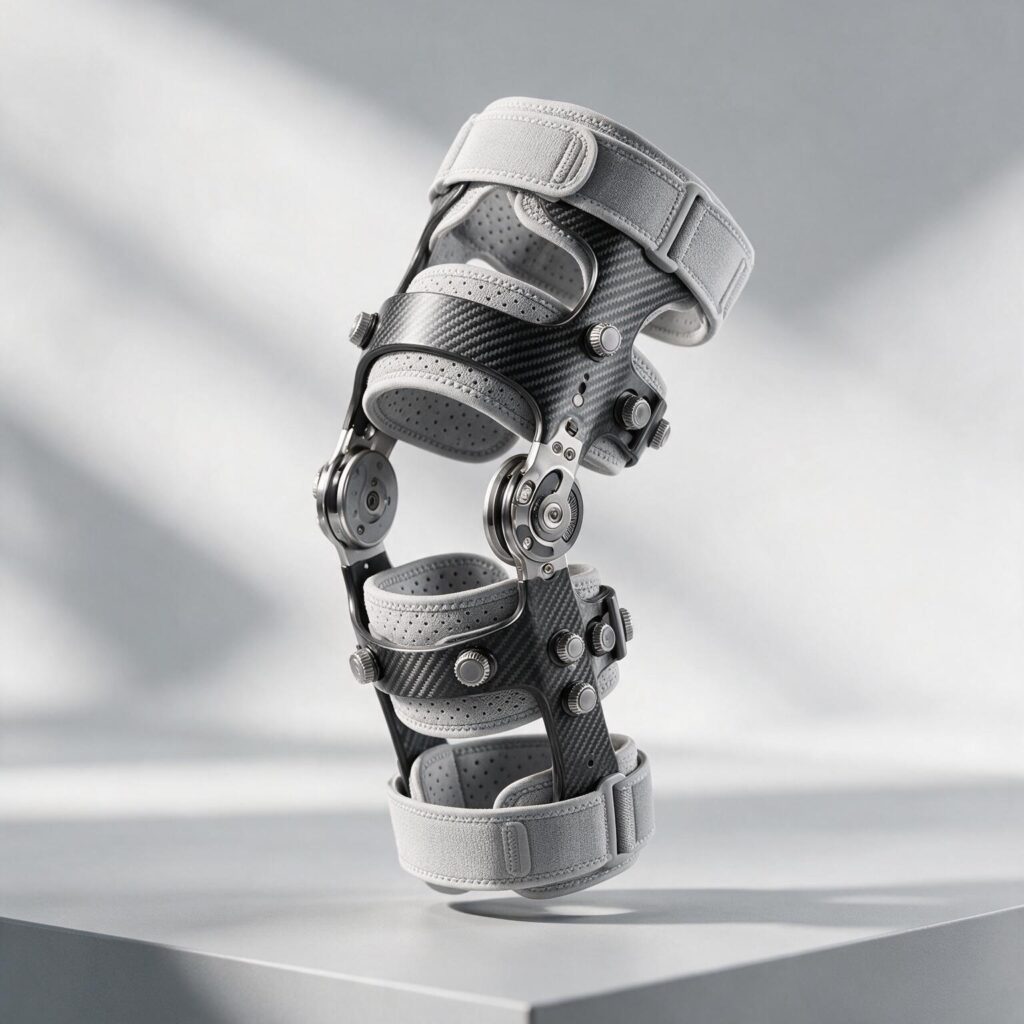
Patients using prosthetic limbs, orthopaedic bracing, or exoskeletons are sensitive to both weight and mechanical compliance in ways that industrial users are not. A prosthetic foot socket that is one kilogram lighter can meaningfully change a patient's gait, energy expenditure, and willingness to use the device. Carbon fiber's specific stiffness, the ratio of stiffness to weight is significantly higher than that of aluminium and far higher than steel. For wearable medical devices, this allows structures to be designed that are as stiff as clinically required while remaining as light as physically possible.
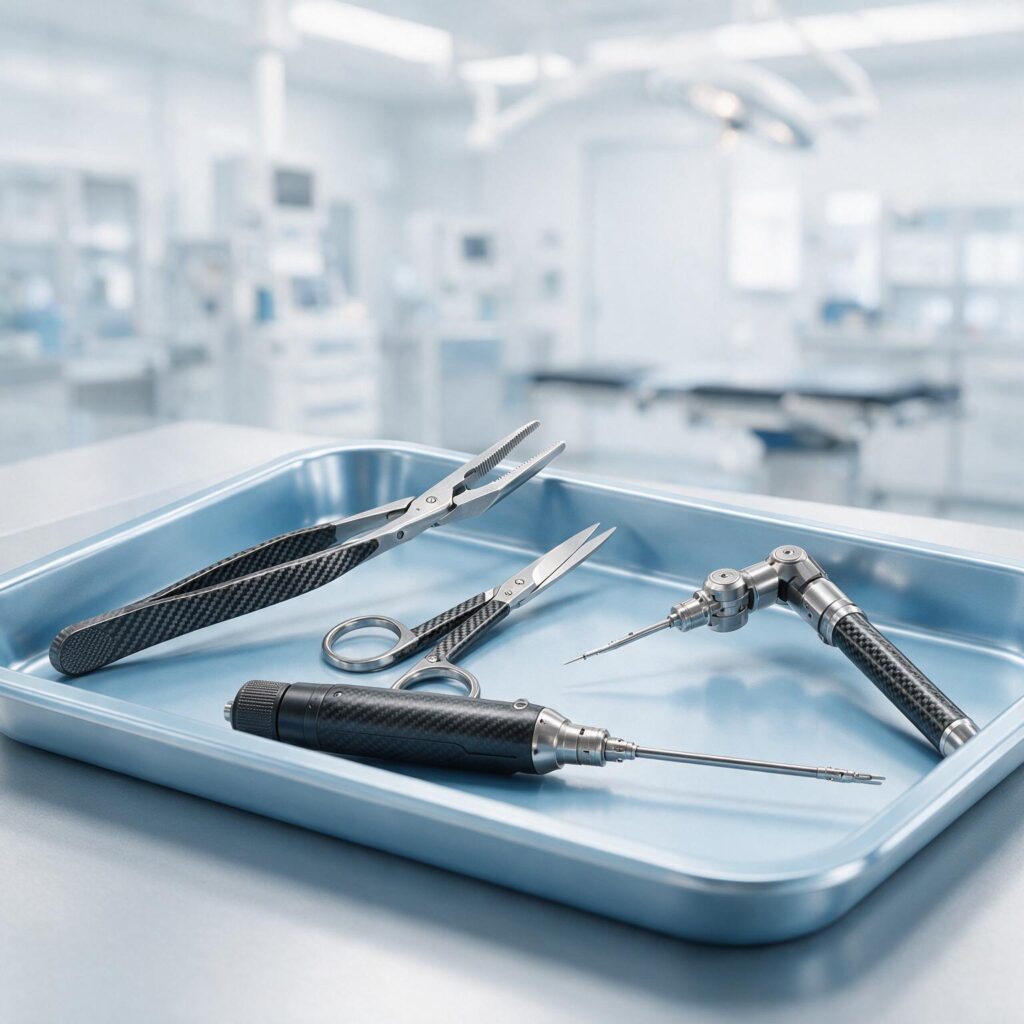
Clinical environments are controlled, but not always perfectly. A device that changes its geometry slightly with temperature or humidity may introduce errors that matter at the scale of patient anatomy. Carbon fiber composites maintain their dimensions with high reliability across normal clinical temperature and humidity ranges. For precision surgical tools, robotic end effectors, and positioning frames, this stability is a design requirement, not a nice-to-have.
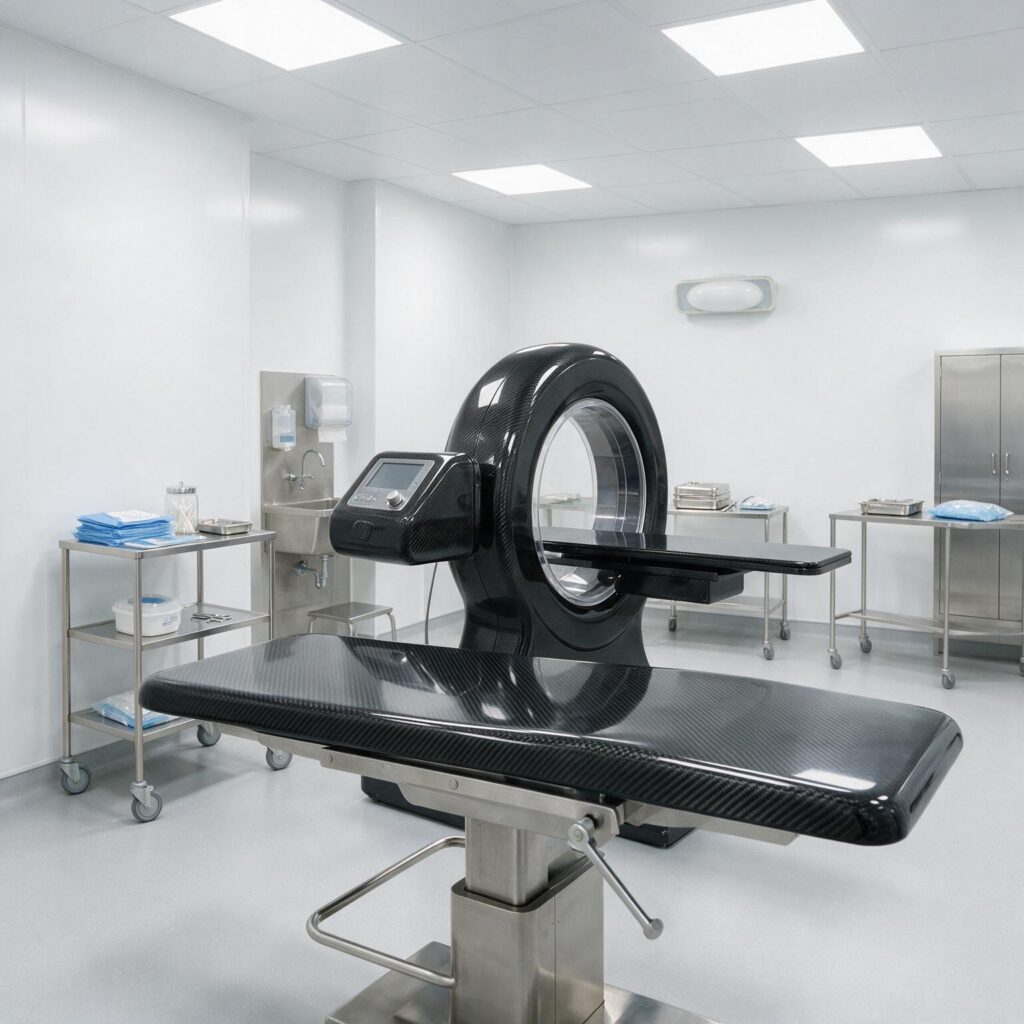
Carbon fiber is chemically inert and does not react with the sterilisation agents, disinfectants, or cleaning protocols used in clinical environments. It does not corrode, oxidise, or degrade with repeated decontamination. This extends equipment service life and simplifies the design of components that need to be cleaned repeatedly without structural degradation.
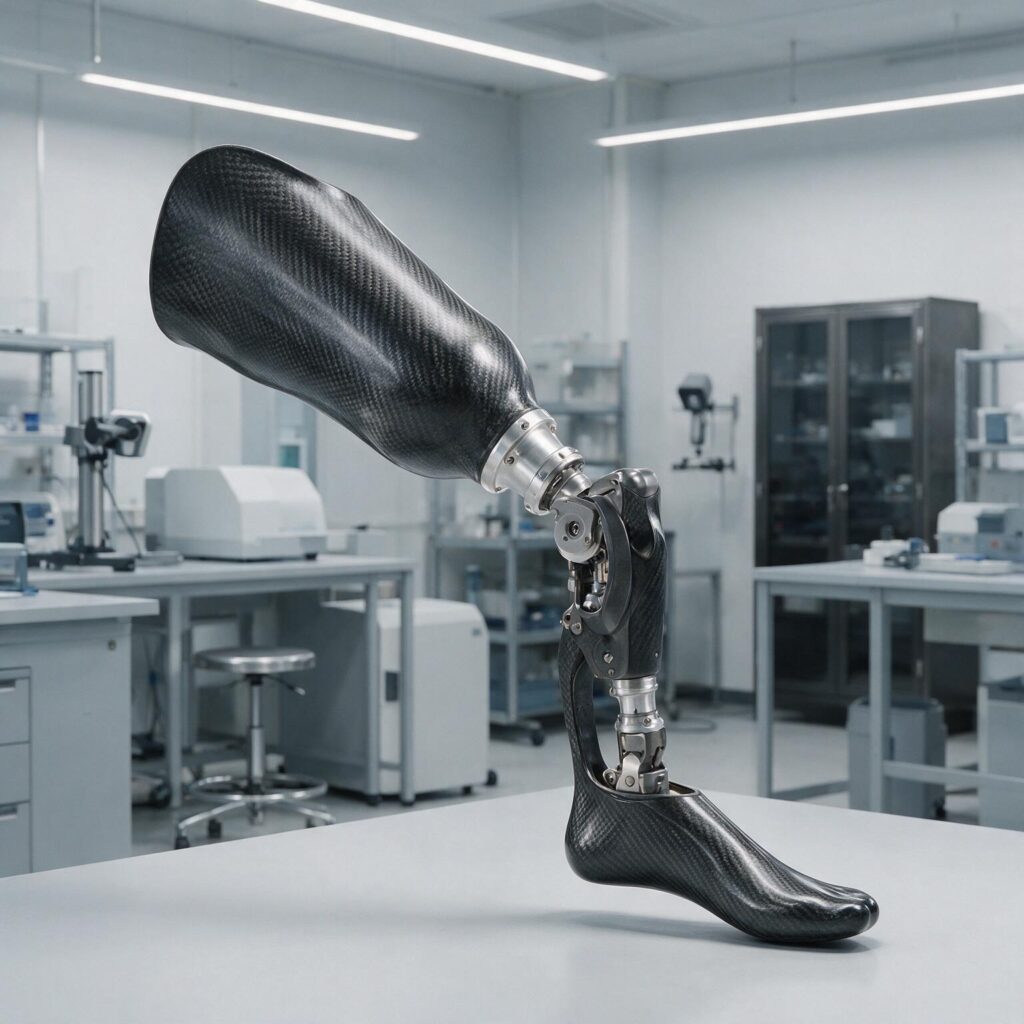
Medical devices undergo thousands of loading cycles, every patient use, every position adjustment, every rehabilitation session. Carbon fiber composites handle cyclic loading well. The progressive fatigue cracking that limits the service life of aluminium components does not apply in the same way to CFRP. For long-service medical equipment, this translates to lower maintenance costs and more predictable structural performance over time.
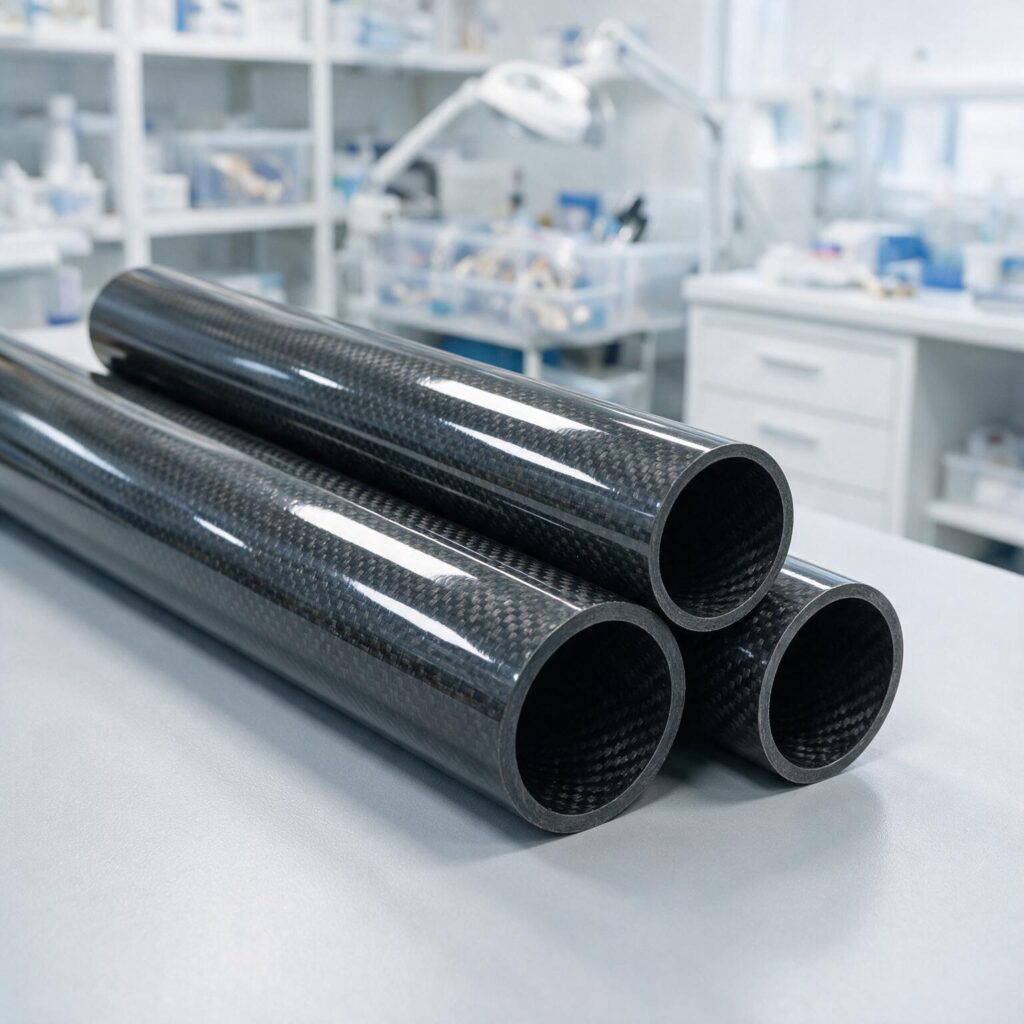
Carbon Fiber Tubes for Prosthetics and Orthotics
Structural tubes form the core of below-knee and above-knee prosthetic pylons, orthopaedic bracing frameworks, and the telescoping adjustment systems used in rehabilitation devices. Our prepreg CFRP tubes are manufactured with consistent wall thickness, controlled OD and ID tolerances, and smooth internal and external surfaces appropriate for patient-contact assemblies. We supply in both round and square profiles, with custom dimensions available for specific socket and pylon designs.
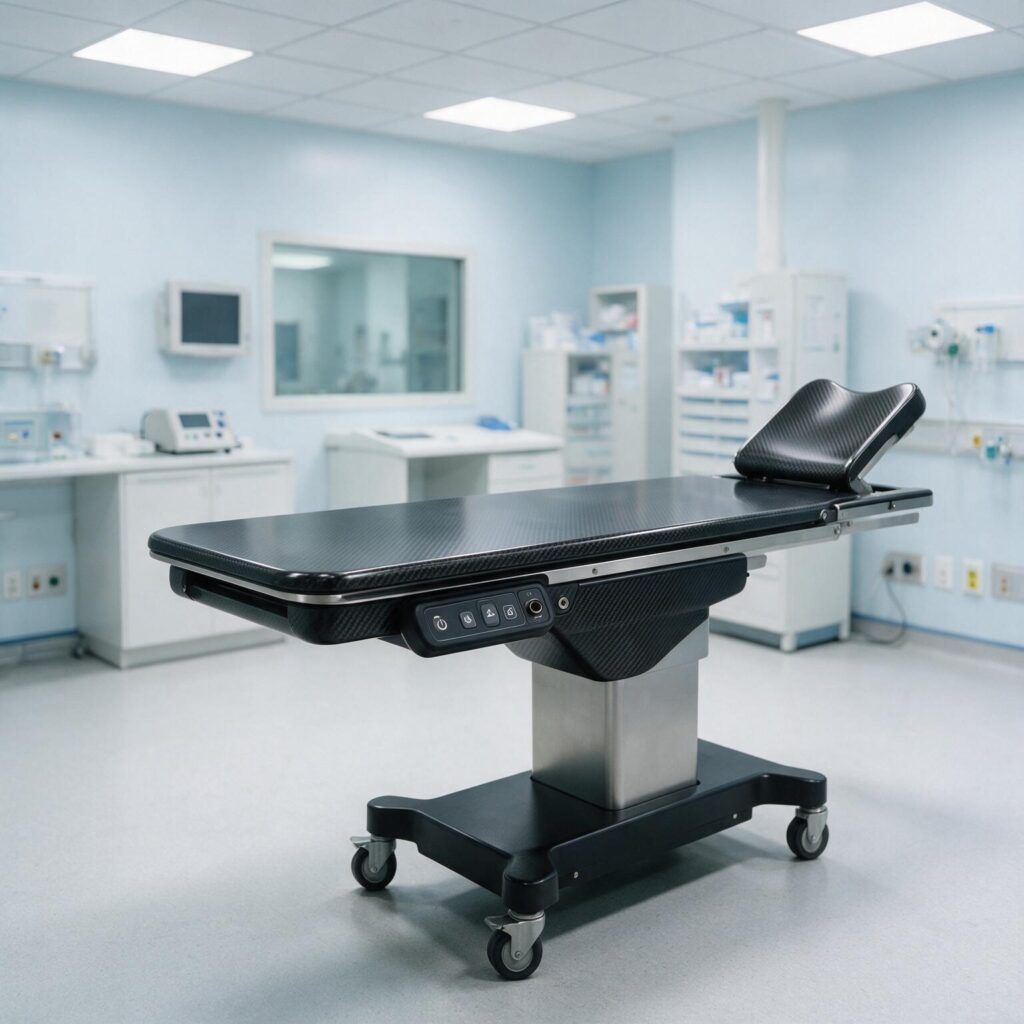
CFRP Sheets and Panels for Imaging Tables and Positioning Equipment
X-ray tables, CT positioning boards, biopsy frames, C-arm table overlays, and radiation therapy couches all rely on carbon fiber panel structures that are simultaneously strong enough to support patient loads and transparent to ionising radiation. We supply standard and intermediate modulus carbon fiber sheets and laminates sized for medical equipment panels. Thickness tolerances and surface finish are consistent across batches, which matters for components that are bonded or machined into final assemblies.
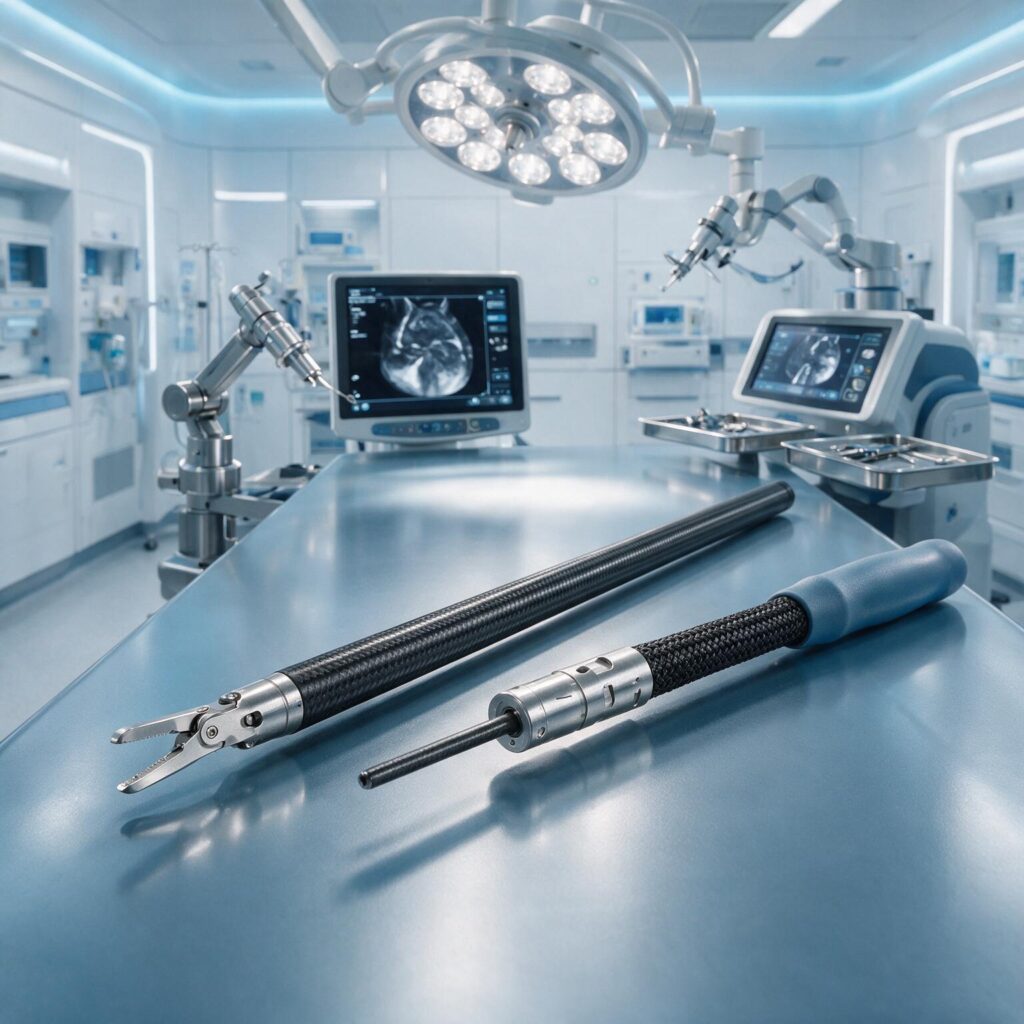
Carbon Fiber Rods for Surgical Instrument Frames and Robotic Components
Surgical robotics and minimally invasive instrument systems use slender structural members that need to be stiff, lightweight, and dimensionally stable under repeated sterilisation cycles. Pultruded carbon fiber rods supply high axial stiffness in a compact cross-section. We manufacture in a range of diameters with tight OD tolerances and straight, consistent profiles. For instrument guide tubes, robotic link members, and tool shaft components, these are often the right starting point.
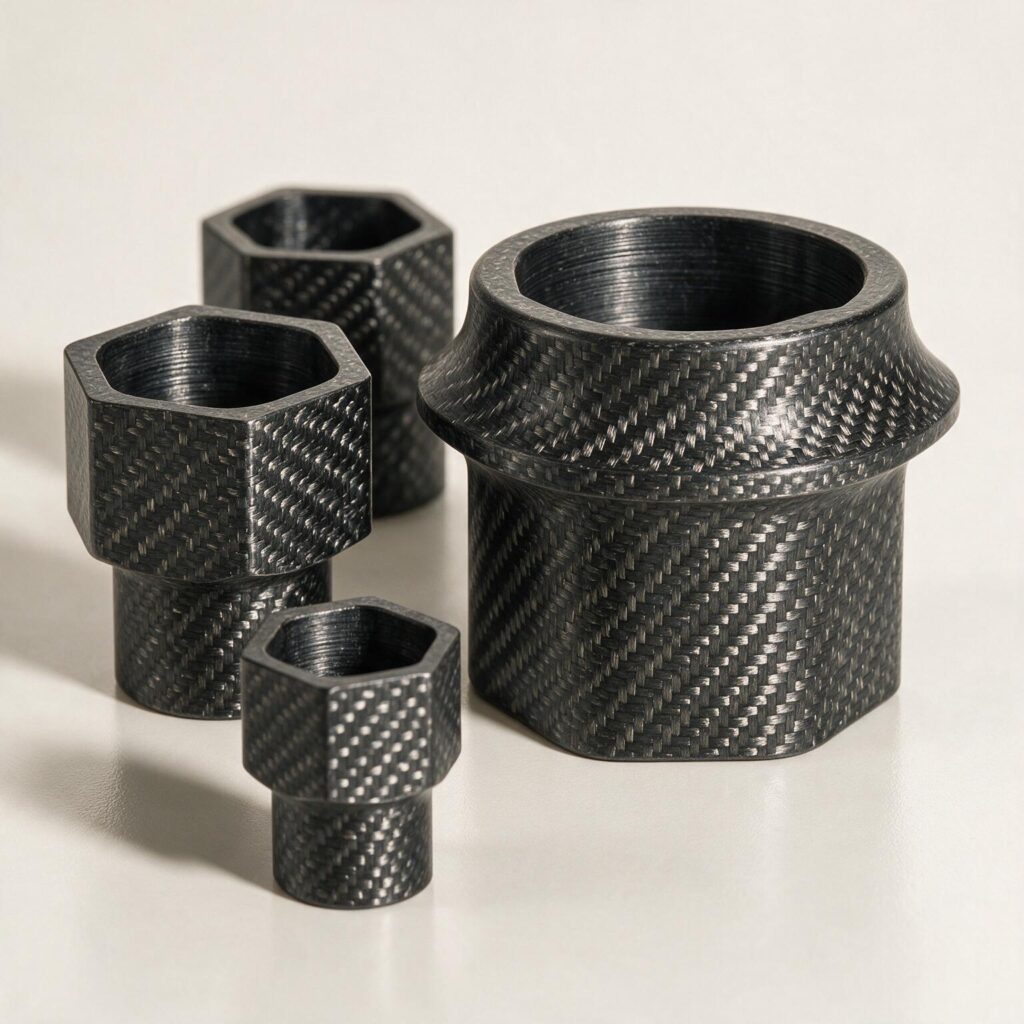
CNC Machined CFRP Components for Medical Devices
Many medical device assemblies require components that cannot be produced from standard tube or sheet stock: custom brackets, interface flanges, socket adapters, and precision structural elements machined to engineering tolerances. We produce these from solid CFRP sheet and laminate stock. Our machining holds clean dimensional tolerances with burr-free edges and surfaces appropriate for components used in or near clinical settings.
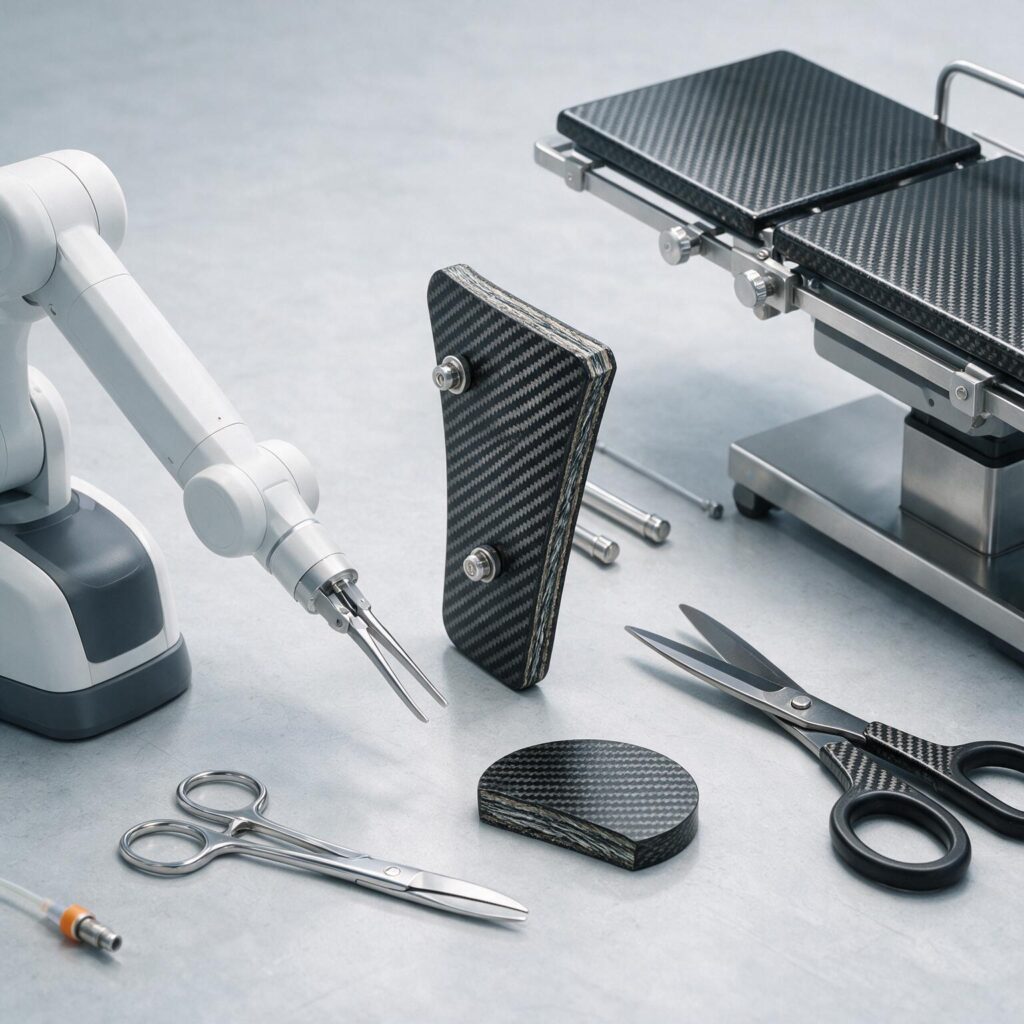
Custom Profiles and Structural Elements
Beyond standard product forms, we work with medical device engineers who need specific cross-sections, wall configurations, or composite layups for specialist applications. If your design requires something that doesn't fit a catalogue, contact us with the specification and we'll discuss what we can produce.