
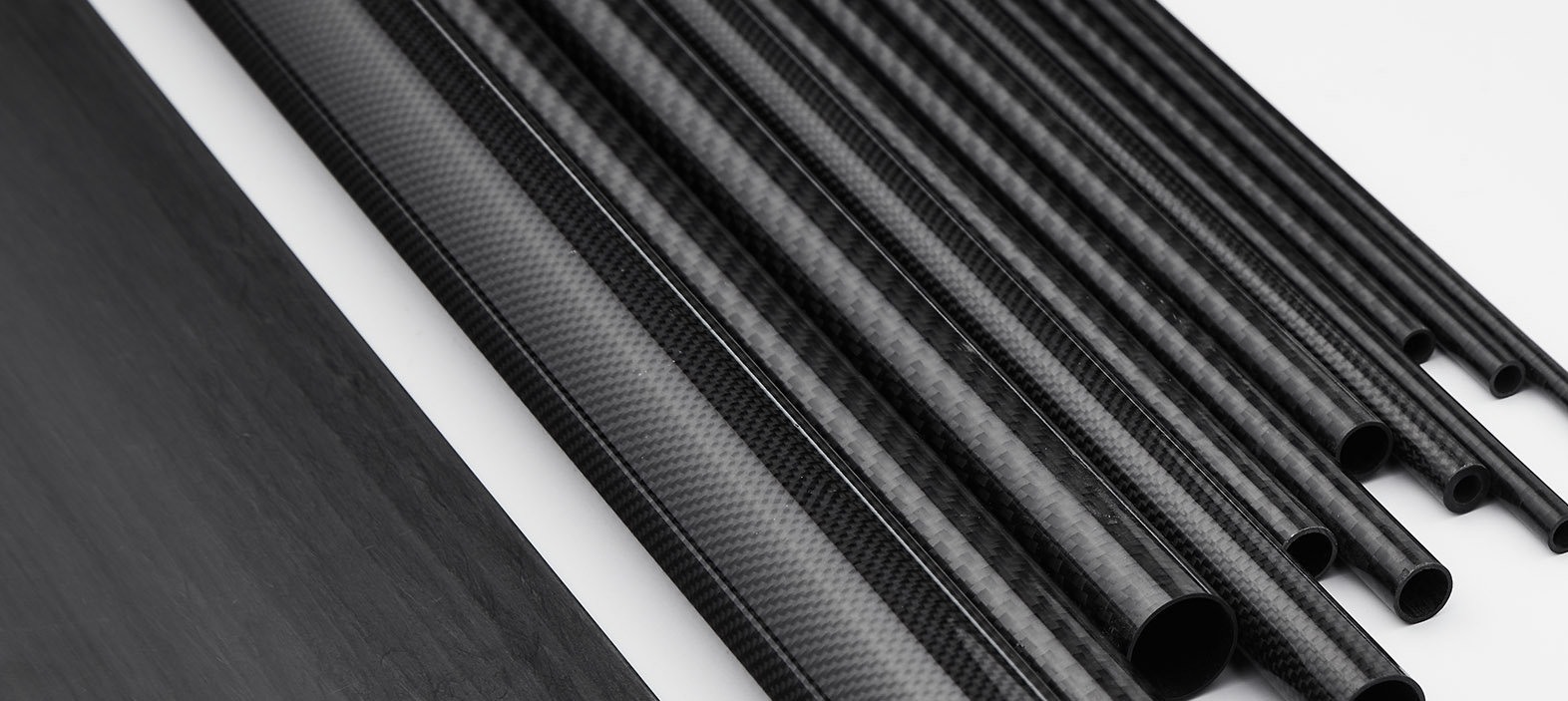
The Carbon Fiber Conundrum
Lightweight, strong, and futuristic—carbon fiber has long been hailed as the “super material” poised to revolutionize everything from aerospace to sports gear. At first glance, it seems like a no-brainer: why not use carbon fiber in every product that demands strength, precision, and performance?
But here’s the reality check: despite its promise, carbon fiber hasn’t taken over the material world. Why? Behind the sleek weave and high-performance reputation lie some serious challenges that still keep it out of reach for mass-market applications. However, once these issues have been addressed, there’s no stopping industries and daily applications from the advantages of this composite material.
Let’s explore the real reasons carbon fiber isn’t everywhere—and what needs to change before it is.
The Myth of Carbon Fiber as a “Super Material”
Carbon fiber’s reputation as a wonder material is well-earned. It’s five times stronger than steel, twice as stiff, and significantly lighter. It resists corrosion, withstands fatigue, and looks high-tech to boot.
Because of this, it’s become the darling of industries like Formula 1, aerospace, cycling, and even luxury fashion. But the myth of it being the perfect material for all applications is just that—a myth. The truth is, carbon fiber has limitations that prevent it from being a one-size-fits-all solution.
The Challenges Holding Carbon Fiber Back
1. High Cost of Production
Let’s start with the biggest obstacle: price. Carbon fiber is expensive to make. The raw material (precursor) costs are high, and the manufacturing process—particularly for aerospace-grade fibers—involves energy-intensive heating and controlled environments.
That’s why it’s mostly used where cost can be justified by performance: aircraft, spacecraft, race cars. For mass-produced goods like consumer electronics, home appliances, or construction materials, the economics just don’t work—yet.
2. Brittleness and Impact Weakness
Carbon fiber excels under tension but struggles under impact or compressive loads. Unlike metals, it doesn’t bend—it breaks. That means in high-impact scenarios, such as vehicle crashes or construction zones, carbon fiber can fail suddenly and catastrophically.
3. Difficult to Manufacture at Scale
Shaping and assembling carbon fiber parts is still labor-intensive. Unlike injection molding for plastics or stamping for metals, carbon fiber typically requires layup processes, curing in autoclaves, and precise quality control. Automation is improving, but it hasn’t reached the ease and speed of metal or plastic production.
4. Limited Recyclability
One of the most pressing concerns today is sustainability. Unfortunately, carbon fiber is notoriously difficult to recycle. Most recycling methods degrade the fiber quality, rendering it unusable for high-performance applications. In a circular economy where end-of-life materials matter, this is a huge drawback.
When Carbon Fiber Fails: Real-World Examples
Automotive Industry
Although carbon fiber has made its way into high-end supercars, it hasn’t yet found a viable place in most consumer vehicles. Steel and aluminum offer better crash performance at lower costs. Plus, repairs on carbon fiber parts can be more complicated and expensive.
Construction & Infrastructure
While carbon fiber reinforcement is growing in use for specialized retrofitting projects, it hasn’t replaced steel or concrete in mainstream construction. Cost, durability under stress, and installation complexity are key roadblocks.
Consumer Electronics
The allure of carbon fiber laptops and phones is real—but plastic and aluminum remain dominant due to their easier manufacturing and better shock absorption in daily use.
Material Alternatives: When Not to Use Carbon Fiber
Choosing the right material is about fit for purpose. Alternatives often outperform carbon fiber in specific areas:
- Aluminum: Lighter than steel, easier to recycle, and cheaper than carbon fiber.
- Titanium: Offers superior fatigue resistance and corrosion protection in aerospace and medical devices.
- Thermoplastics & Composites: More easily shaped and recycled, ideal for large-scale production.
What the Future Holds: Breakthroughs on the Horizon
Despite its drawbacks, carbon fiber’s potential is far from tapped out. Research is underway on:
- Lower-cost precursors like lignin or PAN alternatives
- Automated layup and 3D printing techniques
- Recyclable matrix resins that improve end-of-life sustainability
- Toughened carbon composites to reduce brittleness
If these innovations reach commercial maturity, we may see a broader democratization of carbon fiber across industries.
To Sum Up:
Carbon fiber remains a symbol of cutting-edge performance—but it’s not a silver bullet. For buyers, engineers, and sustainability leaders, understanding when and where to use it is key. The real power lies in smart material selection, not just hype.
At Nitpro Composites, we specialize in helping industries choose and customize the right composites for the right job—carbon fiber when it fits, and other materials when they shine.