Why Pultruded Carbon Fiber Rods Outperform Metal in Long-Span Structural Designs
👁 Reads: 321
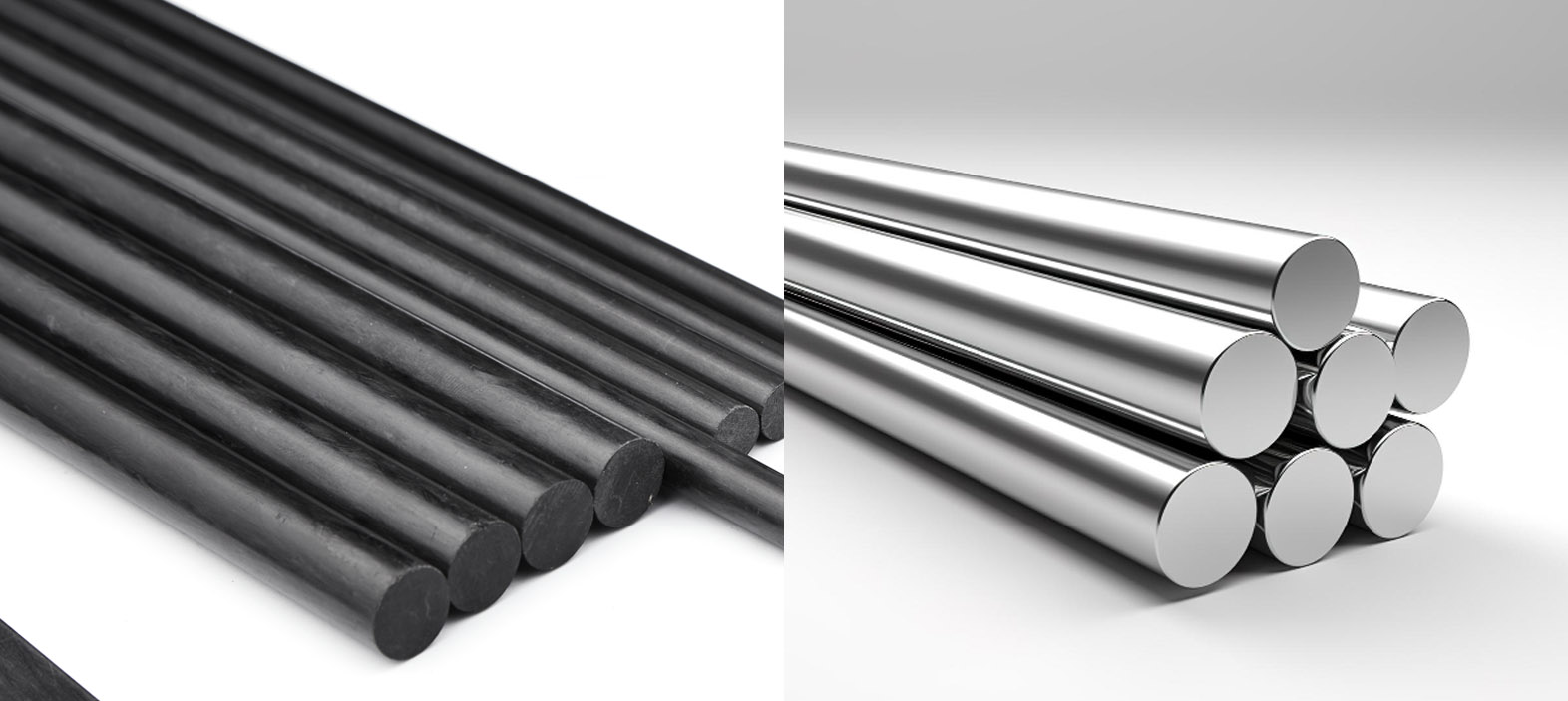
In modern construction and infrastructure projects, engineers are constantly seeking materials that deliver strength, durability, and efficiency, especially in long-span structural designs. Traditional materials like steel and aluminum have long dominated the industry, but pultruded carbon fiber rods for construction are rapidly gaining traction as a superior alternative.
With advancements in carbon fiber composites, these high-performance materials are redefining what’s possible in bridges, high-rise buildings, and large-span roofing systems.
Understanding Pultruded Carbon Fiber Rods
Pultruded carbon fiber rods are manufactured using a continuous process called pultrusion, where carbon fibers are pulled through a resin bath and then shaped and cured into rigid profiles. This method ensures consistent fiber alignment, resulting in exceptional mechanical properties.
Unlike metals, which can vary in internal structure, pultruded rods offer uniformity and predictability critical factors in structural engineering.
Superior Strength-to-Weight Ratio
One of the most compelling advantages of carbon fiber is its remarkable strength-to-weight ratio. Tensile strength carbon fiber rods can exceed that of steel while weighing significantly less.
Why this matters:
- Reduces overall structural load
- Minimizes foundation requirements
- Enables longer spans without excessive support
In long-span designs—such as bridges or stadium roofs—this weight reduction translates directly into cost savings and improved performance.
Exceptional Stiffness and Rigidity
When it comes to structural integrity, carbon fiber stiffness and rigidity are unmatched. Carbon fiber rods maintain their shape under load far better than many traditional materials.
Key benefits:
- Reduced deflection in long spans
- Improved load distribution
- Enhanced structural stability
This makes them ideal for applications where maintaining precise geometry is critical, such as tension systems, cable reinforcements, and architectural frameworks.
Corrosion Resistance and Longevity
Unlike steel, which is prone to rust and corrosion, carbon fiber composites are inherently resistant to environmental degradation.
Advantages in real-world conditions:
- No rusting in humid or marine environments
- Resistance to chemicals and UV exposure
- Minimal maintenance requirements
This durability significantly extends the lifespan of structures, making pultruded carbon fiber rods for construction a cost-effective choice over time.
Reduced Thermal Expansion
Thermal expansion can cause structural stress and deformation in long-span designs. Metals expand and contract significantly with temperature changes, which can lead to fatigue and failure over time.
Carbon fiber rods, however, exhibit:
- Near-zero thermal expansion
- Greater dimensional stability
- Reduced risk of cracking or warping
This property is especially valuable in regions with extreme temperature variations.
Ease of Installation and Handling
The lightweight nature of carbon fiber rods simplifies transportation and installation, particularly in complex or elevated construction projects.
Practical benefits:
- Lower labor costs
- Faster installation timelines
- Reduced need for heavy machinery
Contractors working with the best carbon fiber pultruded rods often report improved efficiency and reduced project timelines.
Fatigue Resistance and Structural Reliability
In long-span structures, materials are subjected to repeated stress cycles from wind, traffic, and environmental loads. Carbon fiber excels in fatigue resistance compared to metals.
Why this is critical:
- Maintains performance under cyclic loading
- Reduces risk of micro-cracking
- Enhances long-term reliability
This makes carbon fiber rods particularly suitable for bridges, rail systems, and seismic-resistant structures.
Design Flexibility and Innovation
Carbon fiber composites allow engineers to push design boundaries. Their adaptability enables innovative architectural solutions that would be difficult or impossible with traditional materials.
Examples include:
- Sleeker, more aerodynamic structures
- Longer unsupported spans
- Lightweight retrofitting of existing infrastructure
With pultruded carbon fiber rods, designers can achieve both aesthetic and functional excellence.
Sustainability and Lifecycle Efficiency
While the initial cost of carbon fiber may be higher than metals, its long-term sustainability benefits are significant.
Environmental advantages:
- Longer service life reduces material replacement
- Lower transportation emissions due to reduced weight
- Minimal maintenance requirements
In lifecycle cost analysis, carbon fiber often proves to be the more sustainable and economical option.
Real-World Applications
The use of carbon fiber composites is expanding across various sectors:
- Bridge reinforcement and cable systems
- High-rise structural supports
- Wind turbine blades and energy infrastructure
- Retrofitting aging concrete structures
These applications demonstrate the growing trust in tensile strength carbon fiber rods for critical structural roles.
Conclusion
As construction demands and industry needs evolve, so must the materials we rely on. Pultruded carbon fiber rods for construction offer a compelling combination of strength, durability, and efficiency that traditional metals simply cannot match.
From superior carbon fiber stiffness and rigidity to unmatched corrosion resistance and fatigue performance, these advanced materials are setting new standards in long-span structural design.
For engineers, architects, and builders seeking high-performance solutions, investing in the best carbon fiber pultruded rods is not just an upgrade—it’s a forward-thinking decision that ensures structural excellence for decades to come.
FAQ
1. What makes pultruded carbon fiber rods better than traditional metal materials?
A. Pultruded carbon fiber rods outperform traditional metals like steel and aluminum due to their lightweight nature, high tensile strength, corrosion resistance, and minimal thermal expansion. These properties make them more efficient and durable for long-span structural applications.
1. Where are pultruded carbon fiber rods commonly used in construction?
A. They are widely used in bridge reinforcement, high-rise buildings, seismic retrofitting, and long-span roofing systems. Their corrosion resistance and durability make them especially suitable for harsh environments like coastal and industrial areas.
1. Do carbon fiber rods require maintenance over time?
A. No, carbon fiber rods require minimal to no maintenance. Unlike steel, they do not rust or corrode, which reduces long-term maintenance costs and increases the overall lifespan of the structure.