
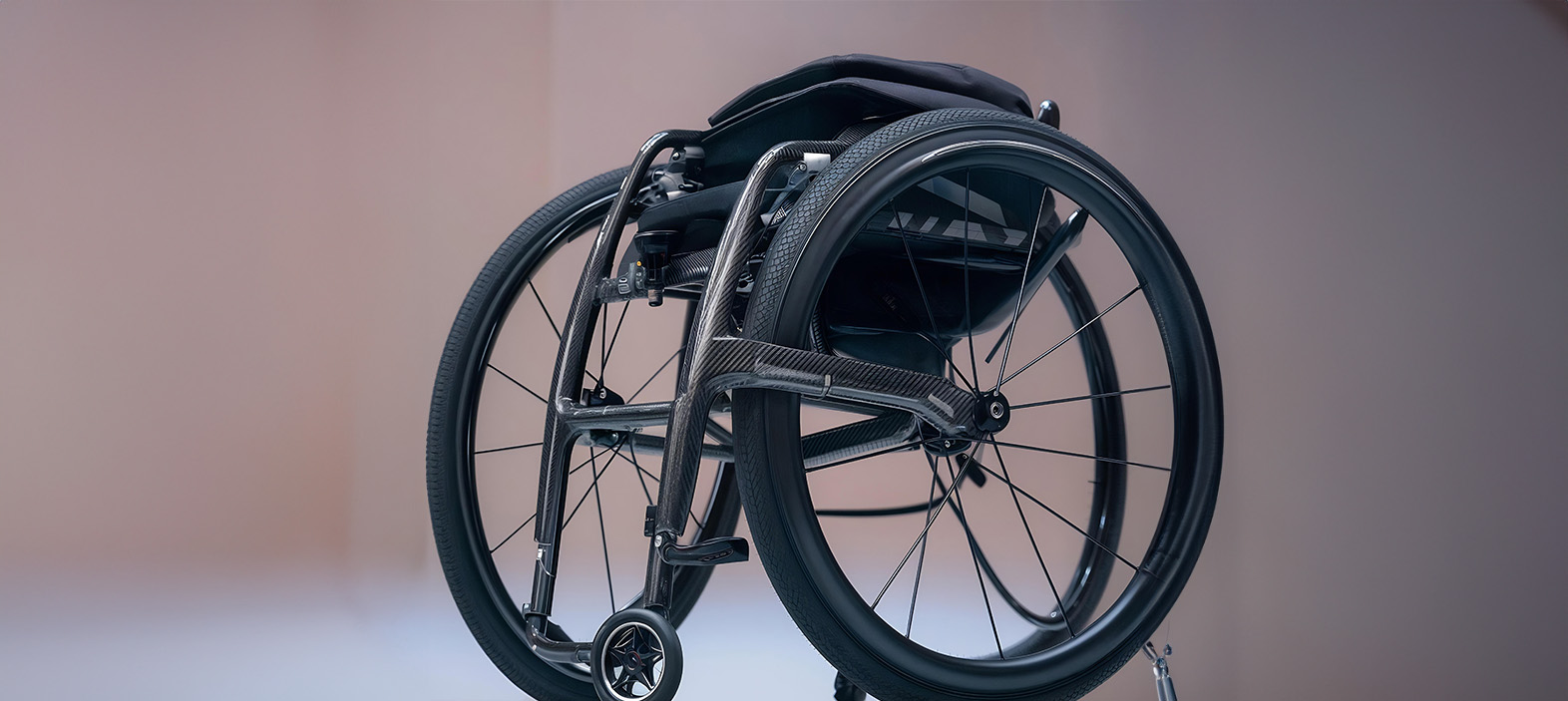
The next generation of assistive devices is being developed using the material innovation in the current mobility solutions. The carbon fiber wheelchair has been one of the highly advanced products among these developments as an alternative high-performance to the conventional metal-framed chairs.
With the use of lightweight carbon fiber wheelchair technology and carbon fiber composites, manufacturers are producing products that increase independence, lessen physical burden and also improve the overall user experience.
These wheelchairs are redefining mobility to the end users, caregivers, and institutional buyers as well-strength, adaptability and comfort are built into the wheelchairs in a combination never before seen by traditional materials.
Redefining Mobility with Lightweight Precision
In evaluating mobility aids, the weight has a direct effect on user independence and maneuverability. Wheelchair design has changed with the introduction of carbon fibre frames replacing steel or aluminum frames.
The remarkable strength-to-weight ratio of carbon fiber, achieved by layering carbon fiber sheets, carbon fiber rods, and carbon fiber tubes in a polymer matrix, enables the production of extremely lightweight wheelchair frames that are strong and durable.
1. Ultra-Lightweight Benefits
Mobility depends on the ease of movement. A lighter wheelchair:
- Eliminates self-propulsion effort that causes fatigue of the shoulders and arms.
- Simplify transfers and vehicle loading, making it easier to use on a daily basis.
- Energy efficiency to facilitate long-distance travel.
For instance, advanced carbon fiber chairs can weigh less than 10 kg—roughly 40 % lighter than comparable aluminum models.
2. Maneuverability and Control
High stiffness of carbon fiber implies that there is little flexing under force. This implies more acute maneuverability, accuracy when dealing with constricted areas and responsiveness, both at home and on the urban streets.
Comfort Through Material Engineering
Comfort of mobility devices is not limited to padding and seating systems. It starts by the structure itself.
The composite structure (woven fibers adhesive with resin) is a natural characteristic of carbon fiber, which helps in dampening the transmission of vibrations and shocks. Conventional metal frames tend to pass the vibrations of the road and the surface to the user directly. It is the carbon that is able to take into consideration these micro-vibrations and provide a smoother, more comfortable ride, particularly on rough surfaces.
1. Vibration Damping Benefits
- Lessens the overall load on joints with extended usage.
- Reduces pain in spinal or neurosensory users.
- Improves the stability of posture without excessive cushioning.
2. Ergonomic Integration
Carbon fiber composites are flexible, a property that gives them the ability to be shaped to a more ergonomic frame geometry. The shape of the molded carbon fibre parts can be tailored to the human anatomy, eliminating the need to have a welded metal frame, enhancing the seating posture and minimizing the number of pressure points that cause discomfort when sitting too long.
Safety Advantages in Daily Use
In mobility products there should be no compromise on safety. Carbon fiber wheelchairs have features that exceed the structural integrity.
1. Structural Durability
The fatigue strength of carbon fiber is far much superior to most metals. This implies that the process of loading and unloading over and over again as is the case in the daily use of a wheelchair, results in reduced long-term deterioration of frame strength.
2. Corrosion and Weather Resistance
Carbon fiber composites are not susceptible to environmental degradation, unlike the metals that oxidize or corrode. This is translated into a greater useful life and less maintenance in coastal or high-humid conditions.
3. Ride Stability
Some designs combine anti-tip wheels and frame geometry optimization to stabilize the movement, which is essential at the time when the user has to go up a hill or work on the unbalanced surface. Increased stability decreases the risk of accidents and creates trust in active movement.
4. Comparative Safety Traits
The following table shows the way in which the engineering benefits of carbon fiber would directly translate into safer and more reliable mobility devices.
| Feature | Carbon Fiber Wheelchair |
Typical Metal Frame |
Weight Impact |
Lower (Better Control) |
Higher |
Vibration Absorption |
Excellent |
Moderate to Poor |
Corrosion Resistance |
High |
Variable |
Fatigue Resistance |
Very High |
Lower |
Structural Integration |
Molded Composite |
Welded Sections |
Design Flexibility and Premium Performance
The carbon fiber composites ensure that creative designs of frames are made that are both functional and aesthetic. Be it with the smooth lines or the interchangeable modular design, these wheelchairs can be customized to the specifications of the user without significantly affecting performance.
- Custom CNC carbon fiber components can be used to produce precision-fit frames or accessories.
- Carbon fiber rods and tubes allow load paths to be strategically oriented for maximum strength.
- Composite materials support aesthetic customization, attracting users and institutional buyers seeking high-end mobility solutions.
Manufacturers are also reacting by producing models which embrace functionality and aesthetics- which is important in user acceptance and adoption of the device.
Economic Considerations for Procurement
While the upfront cost of carbon fiber wheelchairs is higher than basic aluminum or steel models, the total cost of ownership often proves favorable. Key considerations include:
- Long service and less maintenance.
- Less effort and less fatigue-related injuries by the caregivers.
- Increased perceived value and performance of high-end healthcare programs or rehabs.
In the case of organizations that invest in good mobility facilitation, these aspects translate to savings in the long term and patient outcomes.
Conclusion
The Carbon fiber wheelchair is an indication of how sophisticated materials can directly enhance mobility outcomes, comfort to the user and long-term safety. The performance of its strength-to-weight ratio enables the engineers to come up with frames that move efficiently, absorb vibration as well as stay structurally reliable over a period of time. These advantages keep on increasing with the development of material science and accuracy in manufacturing.
Nitpro Composites is on board with this development by providing quality carbon fiber sheets, tubes, rods, and tailor-made parts, which manufacturers incorporate to manufacture robust medical equipment. The position of the high-performance composites in the mobility solutions of the next generation will be even greater as technological advances in the use of carbon fibers continue.
FAQs
Q 1. Why is a carbon fiber wheelchair better than aluminum ones?
A: Carbon fiber wheelchairs are much easier to carry, anti-corrosive, and better in terms of vibration-damping. The characteristics enhance the comfort of the users and their longevity.
Q 2: Do carbon fiber wheelchairs last long?
A: Yes. Carbon fiber is very fatigue resistant and is non-rusty; the service life is therefore very long as compared to metal frames.
Q 3: What is the effect of the material weight on the safety of the wheelchair?
A: Reduced weight minimizes the amount of effort required to propel and minimizes strain on upper limbs. It also improves manoeuvrability and handling which are the major concerns of safe navigation.
Q 4: Are carbon fiber wheelchairs customisable?
A: Yes. The use of carbon fiber enables the creation of customized geometries and ergonomics with precision manufacturing, which facilitates customized fit and functionality.