Carbon Fiber vs. Graphite: Which Material Is Better for Industrial Applications?
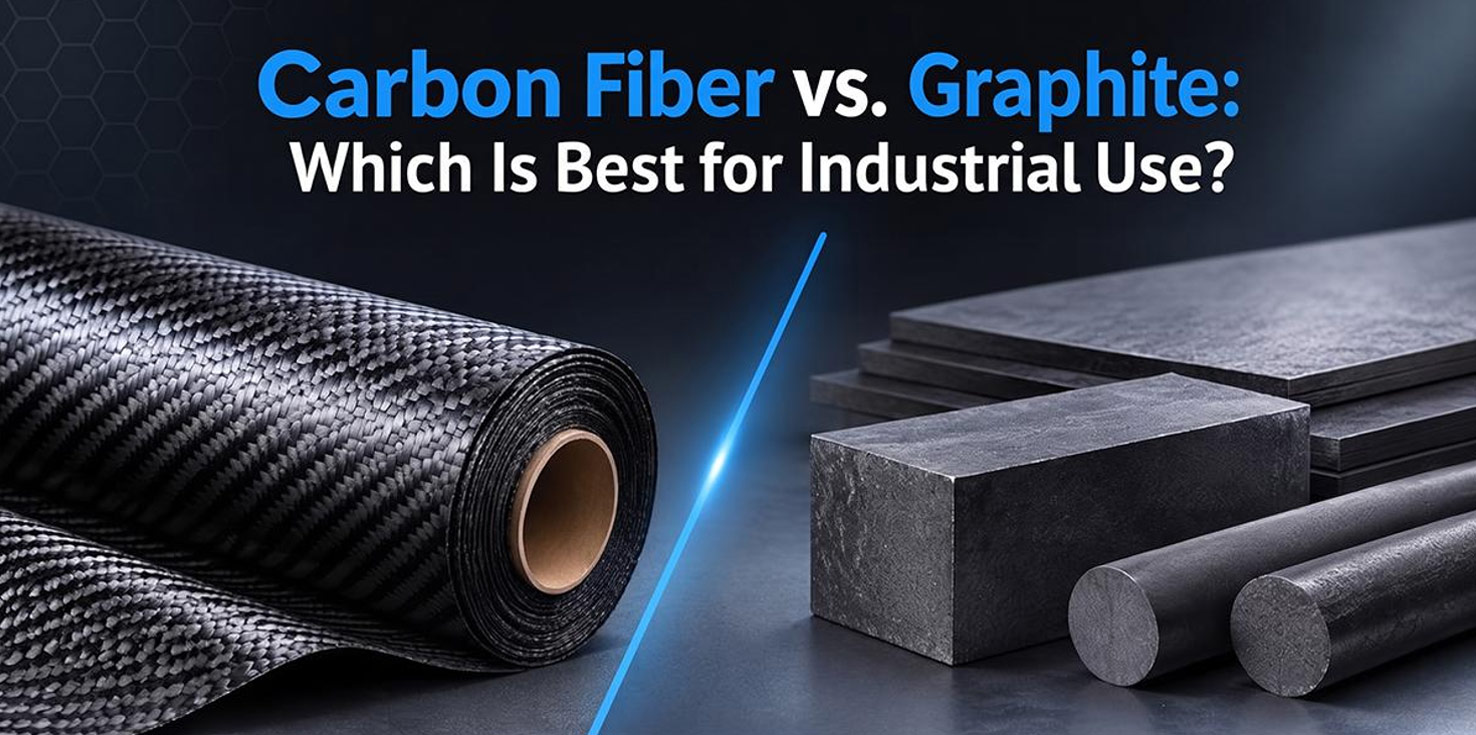
Carbon fiber and graphite are two carbon-based materials used extensively in engineering and manufacturing. Choosing the right material can significantly affect the strength, durability, and performance of industrial components. Both offer valuable properties, but their structures, manufacturing processes, and industrial applications differ significantly. So, carbon fiber vs. graphite: which material is better for industrial applications? … Read more
What Engineers Should Specify When Buying Custom GFRP Tubes

What Engineers Should Specify When Buying Custom GFRP Tubes

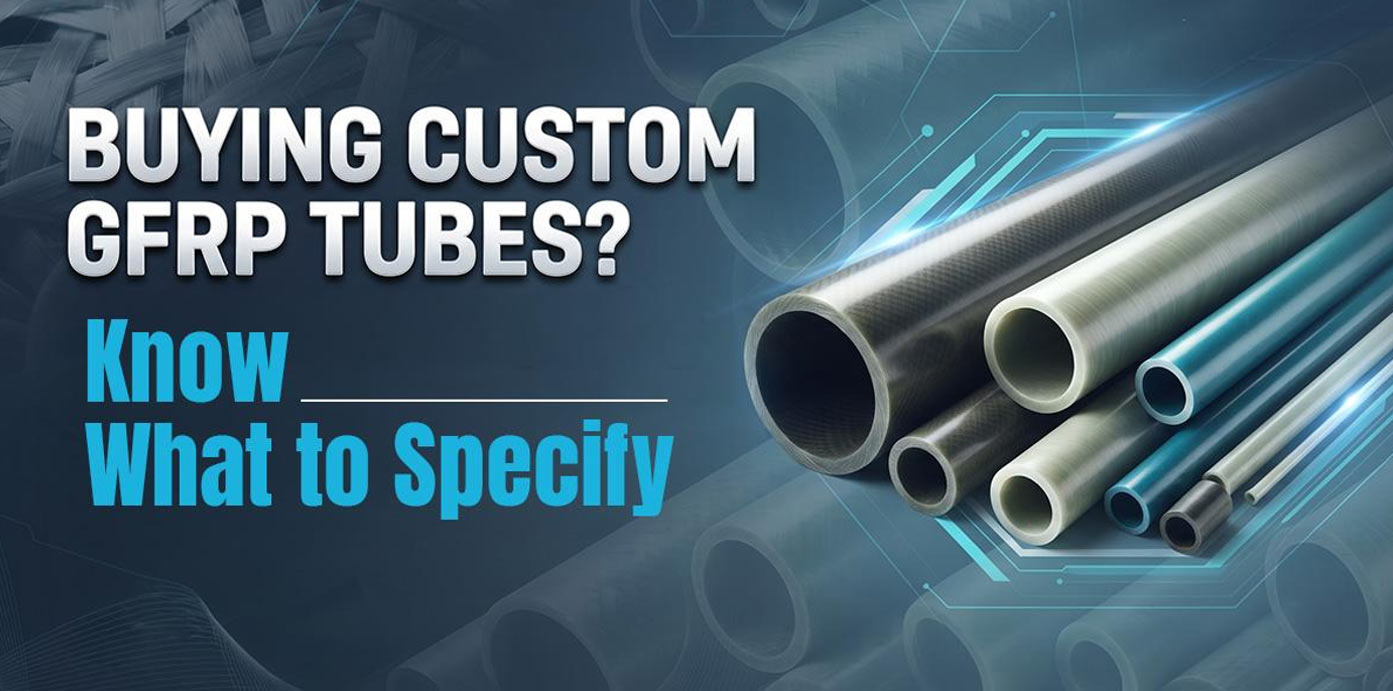
A vague purchase order is the most common reason custom composite tube projects run into rework, delays, or parts that fail in service. As a carbon fiber manufacturer that also produces glass fiber (GFRP) tubes, rods, and sheets for OEMs, we see the same pattern often. Drawings arrive with an outer diameter and a length, … Read more

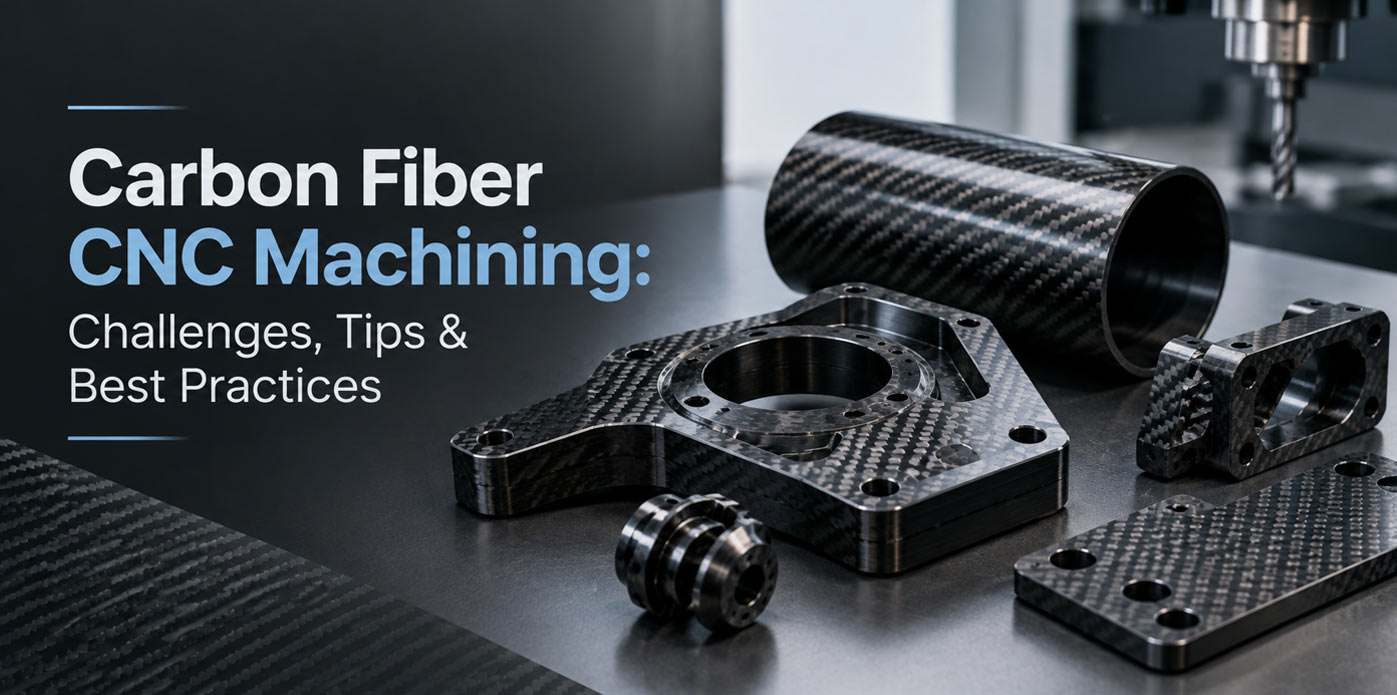
CNC Machining Carbon Fiber Parts: Tips, Challenges, and Best Practices

CNC Machining Carbon Fiber Parts: Tips, Challenges, and Best Practices

Carbon fiber composites are widely used in aerospace, automotive, robotics, industrial equipment, medical devices, and other advanced engineering applications because of their high strength-to-weight ratio, stiffness, and corrosion resistance. However, manufacturing precision components from these materials requires specialized machining strategies. CNC machining carbon fiber parts presents unique challenges compared with machining conventional metals. The abrasive … Read more

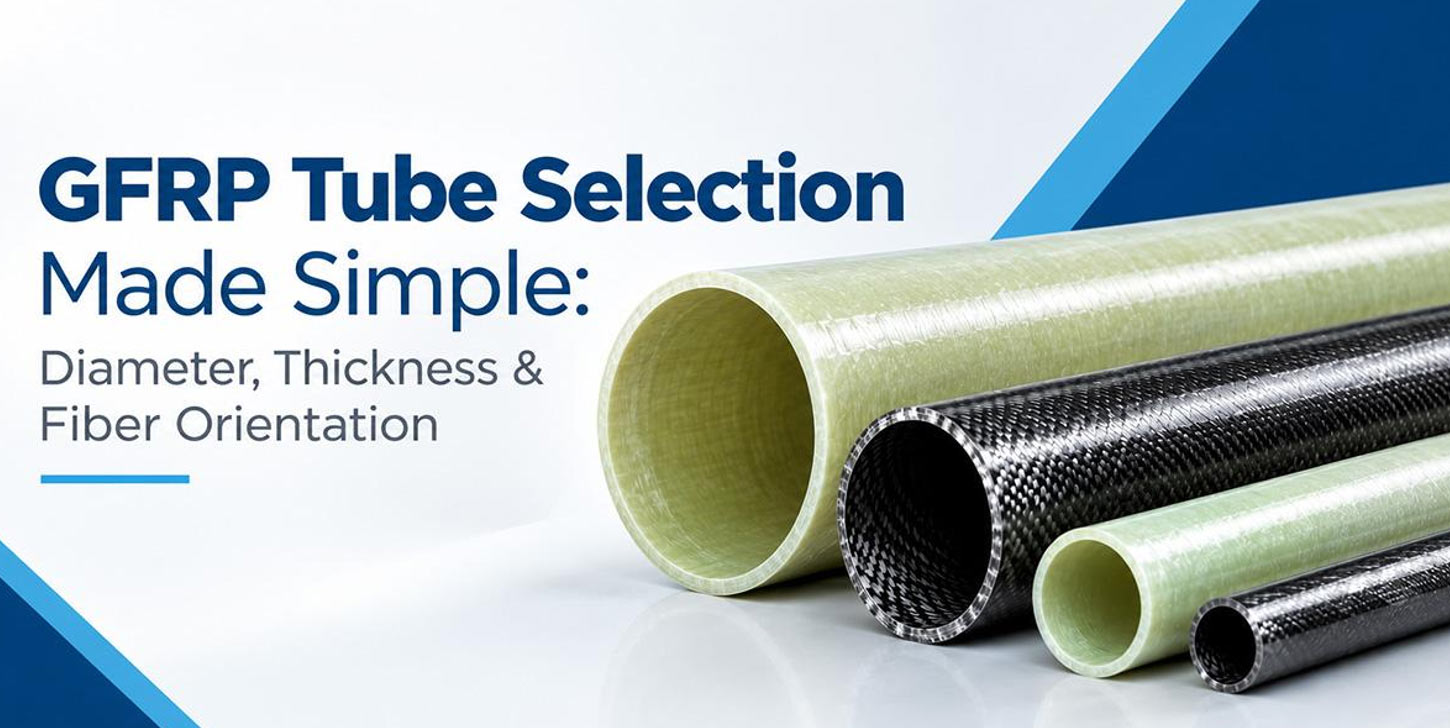
How to Select the Right GFRP Tube Diameter, Wall Thickness and Fiber Orientation

choosing-right-GFRP-tubes-diameter-thickness-fiber

Glass fiber reinforced polymer (GFRP) tubes are increasingly used as lightweight alternatives to traditional materials in applications where strength, corrosion resistance and durability matter. However, selecting the right GFRP tube diameter, wall thickness and fiber orientation is critical to achieving the required structural performance. From infrastructure and construction to electrical, chemical processing and transportation applications, … Read more

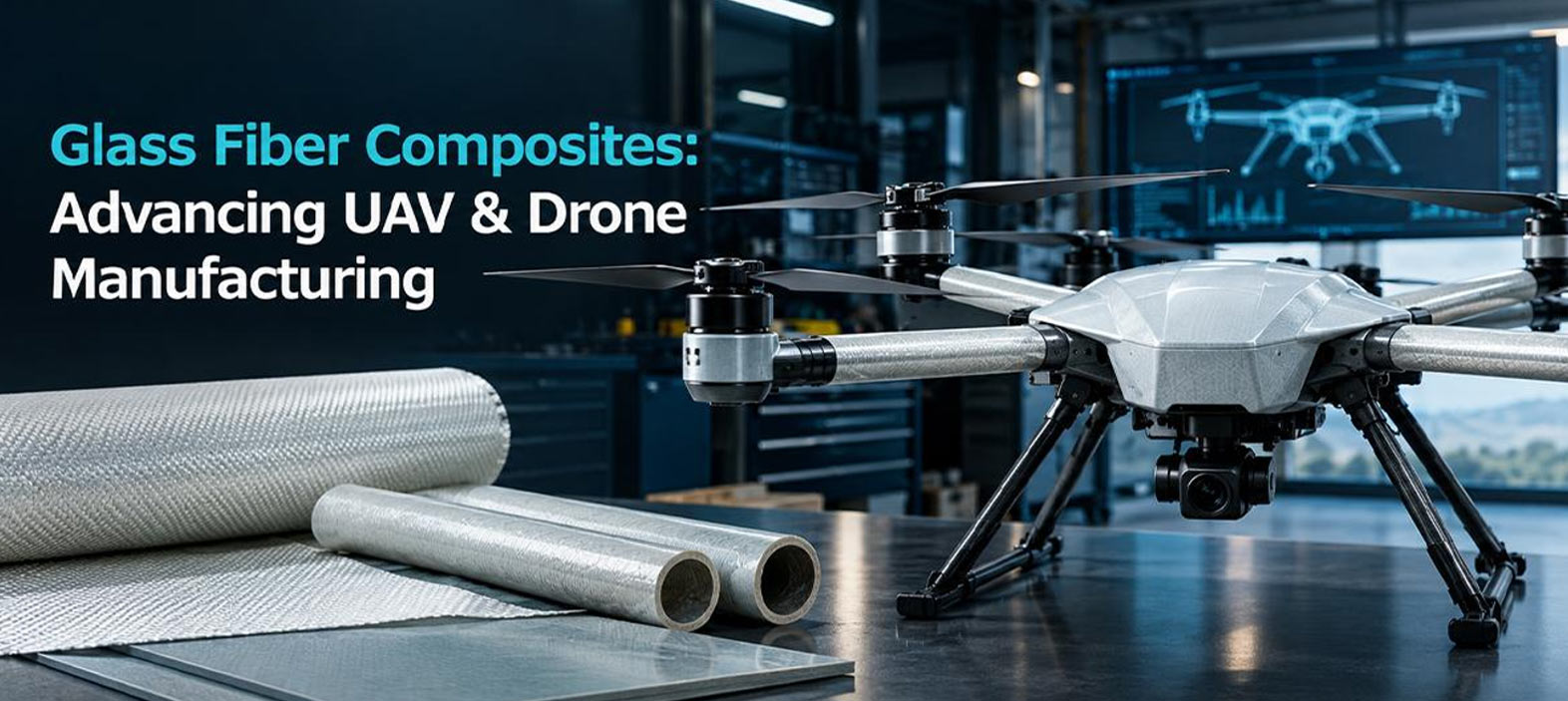
How Glass Fiber Composites Are Used in UAV & Drone Manufacturing

How Glass Fiber Composites Are Used in UAV & Drone Manufacturing

Glass fiber composites are among the materials widely used for UAV and drone components because they offer a useful balance of strength, weight, durability, and cost. Structural booms, arms, fuselage components, housings and enclosures, payload, and sensor support are the most common applications. Unmanned aerial vehicles (UAVs) and drones need to be lightweight, strong, durable, … Read more

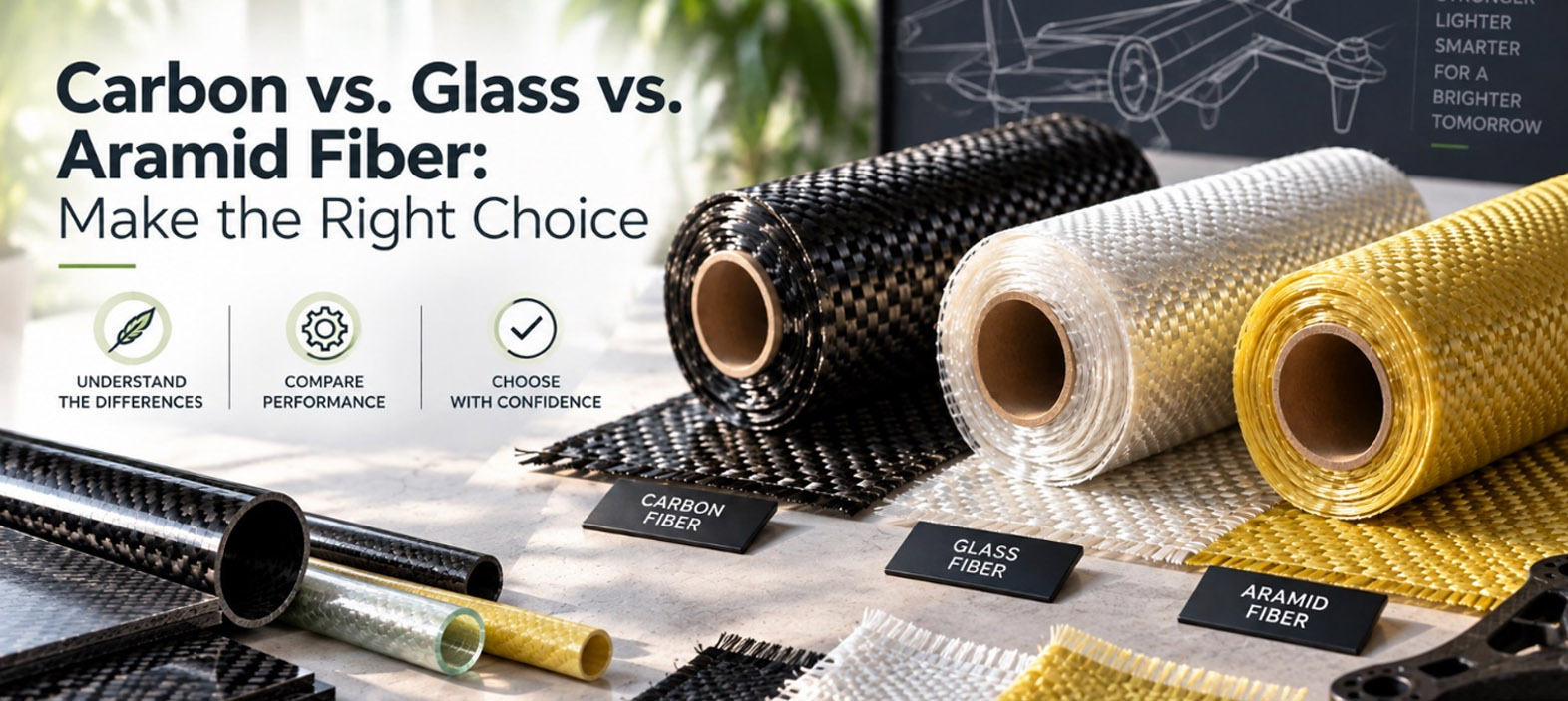
Aramid vs. Carbon Fiber vs. Glass Fiber: Which Reinforcement Is Right for Your Application?

carbon-vs-glass-vs-aramid-fiber-make-the-right-choice-large

Carbon, glass, and aramid fibers each solve a different engineering problem — stiffness, cost-efficiency, impact resistance. Picking the wrong one is expensive: too much flex damages parts under stress, too much strength wastes budget. Here’s how to tell them apart and choose correctly. With three composite fibers to choose from and dozens of sub-variants, most … Read more

UAV vs Drone: Understanding the Terminology and Its Role in Component Sourcing

uav-vs-drone-terminology-component-sourcing-guide

UAV is the formal engineering term for any aircraft that operates without an onboard pilot. Drone is the everyday word for the same category-it covers everything from a consumer quadcopter to a military-grade reconnaissance platform. Functionally, the two terms refer to the same aircraft, the difference is in context and precision. With NitPro Composites, learn … Read more

Why Carbon Fiber Components Are Becoming Essential for Global Auto Suppliers

Why Carbon Fiber Components Are Becoming Essential for Global Auto Suppliers

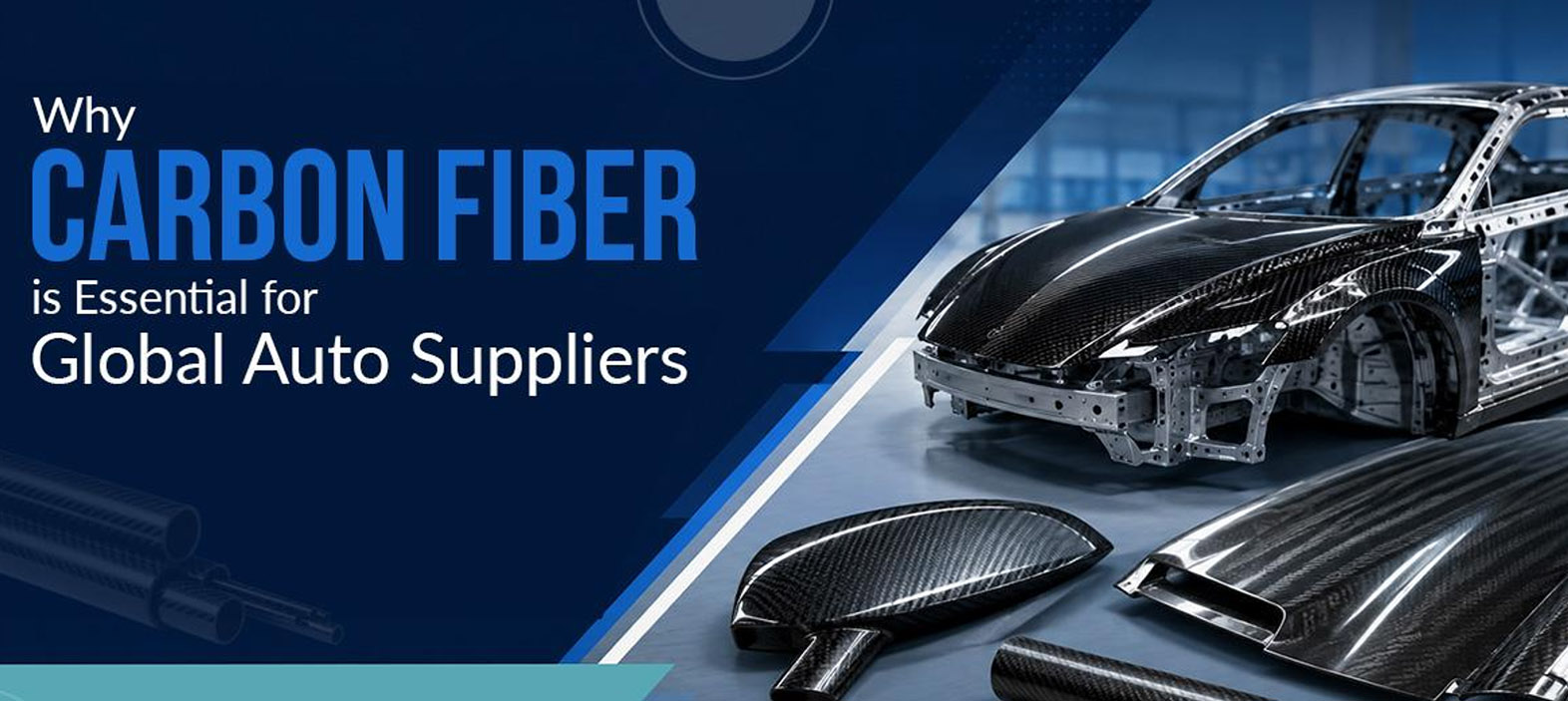
Carbon fiber components are becoming standard in automotive manufacturing because they offer a higher strength-to-weight ratio than steel or aluminum, helping suppliers meet EV range targets and tightening emissions regulations. Global adoption of carbon fiber rods, tubes, sheets, and CNC-machined parts is accelerating as OEMs replace metal components across vehicle platforms. At NitPro Composites, we … Read more

How to Read a Carbon Fiber Datasheet: Tensile Strength, Modulus & Tolerance Explained

How to Read a Carbon Fiber Datasheet: Tensile Strength, Modulus & Tolerance Explained

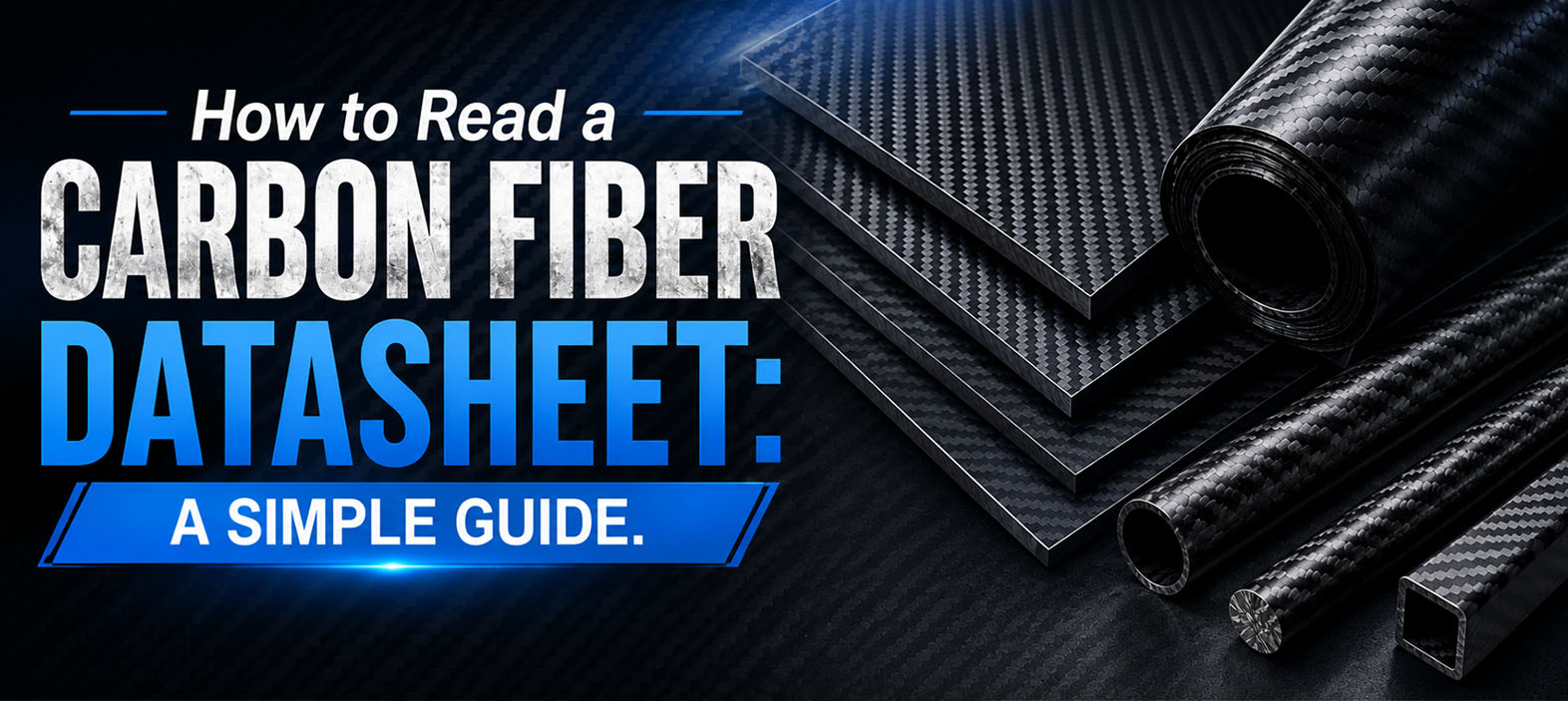
If you’re sourcing carbon fiber composite products for UAV frames, aerospace, automotive, orthopaedic parts, retrofitting rods, or structural composite parts, the datasheet is where every purchasing decision should start and where most costly mistakes happen. Misreading a single spec can mean a UAV arm that flexes under vibration or a retrofit rod that fails load … Read more